
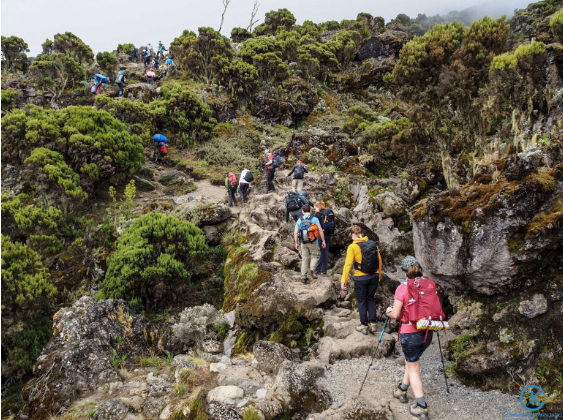
Mount Kilimanjaro stands as Africa’s highest peak and one of the world’s most accessible high-altitude mountains, drawing thousands of adventurers annually to its snow-capped summit. Rising 5,895 meters (19,341 feet) above sea level in Tanzania, this dormant volcano offers an extraordinary journey through five distinct climate zones, from tropical rainforest to arctic conditions at the peak. For those dreaming of standing atop the “Roof of Africa,” understanding what it takes to climb Mount Kilimanjaro is essential for a successful and safe expedition.
Understanding the Mountain
Mount Kilimanjaro is unique among the world’s Seven Summits because it requires no technical climbing skills or specialized mountaineering equipment. This accessibility has made it a bucket-list destination for hikers and adventurers of varying experience levels. However, don’t mistake accessibility for ease. The primary challenge lies in altitude acclimatization, as climbers ascend from sea level to nearly 6,000 meters in just a few days.
The mountain features three volcanic cones: Kibo, Mawenzi, and Shira. Uhuru Peak, located on Kibo’s crater rim, represents the highest point in Africa and the ultimate goal for climbers. The journey to this summit takes trekkers through remarkable ecological transitions, beginning in cultivated farmlands, progressing through lush montane forests teeming with wildlife, continuing across alpine moorlands dotted with unique giant groundsels and lobelias, and finally reaching the barren alpine desert before the glaciated summit zone.
Choosing Your Route
Seven established routes lead to Kilimanjaro’s summit, each offering distinct experiences, difficulty levels, and success rates. The Marangu Route, often called the “Coca-Cola Route,” provides hut accommodation and is considered the easiest path, though its shorter duration (five to six days) results in lower summit success rates due to inadequate acclimatization time.
The Machame Route, nicknamed the “Whiskey Route,” ranks as the most popular choice among experienced trekkers. This seven-day journey offers spectacular scenery and follows the crucial “climb high, sleep low” principle, significantly improving acclimatization and success rates. The Lemosho and Northern Circuit routes provide the longest itineraries, allowing optimal acclimatization while traversing the mountain’s remote and pristine western slopes.
For those seeking solitude, the Rongai Route approaches from the drier northern side, offering a gentler gradient and fewer crowds. The Umbwe Route presents the steepest and most challenging ascent, recommended only for experienced mountain trekkers. Each route converges at the summit zone, with most climbers making their final push from either Barafu Camp or Kibo Hut, depending on their chosen path.
Physical Preparation and Training
Successfully climbing Mount Kilimanjaro requires months of dedicated physical preparation. While technical skills aren’t necessary, cardiovascular endurance and leg strength prove essential. A comprehensive training program should begin at least three to four months before your climb, focusing on aerobic conditioning through activities like hiking, running, cycling, and swimming.
Training hikes with a weighted backpack simulate the demands of multi-day trekking at altitude. Gradually increase both distance and elevation gain, aiming for hikes lasting four to six hours carrying 10-15 kilograms. Stair climbing and hill repeats build the leg strength needed for long ascents and descents. Additionally, core strengthening exercises improve balance and reduce fatigue during extended trekking days.
Mental preparation matters equally. Summit day typically involves 12-16 hours of continuous trekking in extreme conditions, often in darkness and sub-zero temperatures. Visualization techniques, understanding the challenges ahead, and developing mental resilience contribute significantly to summit success.
Altitude Acclimatization
Altitude sickness represents the primary reason climbers fail to reach Uhuru Peak. As elevation increases, atmospheric pressure decreases, reducing oxygen availability. The body requires time to adapt through increased red blood cell production, deeper breathing, and other physiological changes.
Selecting a longer route dramatically improves acclimatization and success rates. Routes offering seven to nine days provide the body adequate time to adjust, with summit success rates exceeding 85 percent compared to 50-60 percent on shorter five-day itineraries. The extra days also make the experience more enjoyable, reducing the physical strain of rapid ascent.
Recognizing altitude sickness symptoms proves crucial. Mild symptoms include headache, nausea, loss of appetite, and difficulty sleeping. More serious symptoms like severe headache unrelieved by medication, extreme fatigue, shortness of breath at rest, confusion, or loss of coordination require immediate descent. Following the golden rules—ascend slowly, stay hydrated, and listen to your guides—maximizes both safety and success.
Essential Gear and Equipment
Proper equipment ensures comfort and safety throughout the climb. Layering systems prove essential for managing dramatic temperature variations, from hot rainforest conditions to freezing summit temperatures. Base layers should wick moisture, mid-layers provide insulation, and outer shells protect against wind and precipitation.
A quality four-season sleeping bag rated to at least -15°C (5°F) ensures restful sleep at high camps. Broken-in, waterproof hiking boots with ankle support prevent blisters and provide stability on varied terrain. Trekking poles reduce knee strain during descents and improve balance on challenging sections.
High-altitude sun exposure requires robust protection: high-SPF sunscreen, lip balm, sunglasses, and a wide-brimmed hat. Headlamps with spare batteries illuminate the pre-dawn summit push. Hydration systems or water bottles (insulated for summit day) maintain proper fluid intake. Many climbers also bring altitude sickness medication after consulting with their physicians.
The Climbing Experience
Most Kilimanjaro expeditions follow a similar daily pattern. Mornings begin with wake-up calls, breakfast, and packing before setting off between 7-9 AM. Trekking days typically last four to eight hours, moving at the guides’ mantra of “pole pole” (slowly, slowly in Swahili), maintaining a pace that optimizes acclimatization.
Guides monitor climbers’ health through daily pulse oximeter readings and wellness checks. Porters, the unsung heroes of Kilimanjaro expeditions, carry equipment and supplies while setting up camps before climbers arrive. Their strength and endurance under challenging conditions deserve immense respect and appreciation.
Summit night represents the expedition’s climax and greatest challenge. Climbers typically depart around midnight, trekking through darkness in bitter cold toward Stella Point on the crater rim, then continuing along the rim to Uhuru Peak. Reaching the summit at sunrise offers one of mountaineering’s most rewarding moments—standing atop Africa, watching the sun illuminate the vast Tanzanian plains below, with glaciers glinting in the dawn light.

Best Time to Climb
Mount Kilimanjaro can be climbed year-round, though certain periods offer superior conditions. The primary climbing seasons occur during Tanzania’s dry periods: January through mid-March and June through October. These months feature clearer skies, less precipitation, and more predictable weather, enhancing both safety and summit views.
The January-March window provides excellent conditions with fewer crowds compared to the peak June-October season. September and October rank among the most popular months, offering optimal weather but increased trail traffic. The long rains (April-May) and short rains (November-December) bring challenging conditions with muddy trails, reduced visibility, and higher failure rates, though experienced climbers can still succeed during these periods with proper preparation.
Cost Considerations and Sustainability
Climbing Mount Kilimanjaro requires significant financial investment, with costs typically ranging from $2,000 to $6,000 depending on route choice, group size, and service level. This includes park fees, guide and porter wages, equipment, food, and accommodation. Budget operators may cut corners on guide experience, safety equipment, or porter treatment, so thoroughly research companies and prioritize ethical operators.
Sustainable and ethical climbing practices benefit local communities and protect the mountain environment. Choose operators affiliated with organizations like the Kilimanjaro Porters Assistance Project, which ensures fair wages, appropriate equipment, and weight limits for porters. Practice Leave No Trace principles, disposing of waste properly and respecting the fragile alpine environment.
Conclusion
Climbing Mount Kilimanjaro represents an achievable yet profoundly rewarding challenge that tests physical endurance, mental determination, and adaptability. While the mountain’s non-technical nature makes the summit accessible to properly prepared hikers, success demands respect for altitude, thorough physical preparation, appropriate gear, and selecting an itinerary that allows adequate acclimatization. Standing atop Uhuru Peak delivers not just bragging rights but a transformative experience—witnessing sunrise over the African continent from its highest point, having pushed through personal limits, and achieving something truly extraordinary.
The journey encompasses more than reaching the summit. It involves experiencing diverse ecosystems, connecting with Tanzanian mountain culture, forming bonds with fellow climbers and dedicated mountain crews, and discovering inner reserves of strength and perseverance. Whether you succeed in reaching Uhuru Peak or turn back earlier due to altitude or weather, the Kilimanjaro experience profoundly impacts those who undertake it, creating memories and lessons that resonate long after descending to the lush forests and farmlands below.
Key Takeaways
- Altitude acclimatization is critical: Choose longer routes (7-9 days) for significantly higher success rates and a more enjoyable experience
- Physical preparation matters: Begin training 3-4 months in advance with cardiovascular exercise, weighted hikes, and strength training
- Route selection impacts experience: Research different routes to match your fitness level, timeline, and wilderness preferences
- Proper gear ensures comfort and safety: Invest in quality layering systems, sleeping bags rated to -15°C, and broken-in waterproof boots
- Choose ethical operators: Select companies that treat porters fairly and practice sustainable tourism
- Pole pole (slowly, slowly): Maintaining a controlled pace optimizes acclimatization and conserves energy
- Mental preparation is essential: Summit day demands 12-16 hours of trekking in extreme conditions requiring mental resilience
- Timing affects success: Dry seasons (January-March and June-October) offer the best weather and conditions
Frequently Asked Questions
How difficult is it to climb Mount Kilimanjaro? Mount Kilimanjaro requires no technical climbing skills, making it accessible to fit hikers without mountaineering experience. However, the primary challenge is altitude. The trek involves long days of hiking while carrying a daypack, with summit day particularly demanding. Success requires good fitness, proper acclimatization, and mental determination rather than technical expertise.
What is the success rate for reaching the summit? Success rates vary significantly by route duration. Shorter 5-6 day routes typically see 50-65% success rates, while longer 7-9 day routes achieve 85-95% success rates. The extra acclimatization days dramatically improve outcomes. Most failures result from altitude sickness rather than physical inability to complete the trek.
Do I need previous climbing experience? No previous climbing or mountaineering experience is required. However, you should have experience with multi-day hiking and be comfortable trekking 4-8 hours daily. Prior high-altitude experience helps you understand your body’s response to elevation but isn’t essential. Good physical fitness and mental preparation prove more important than technical experience.
How cold does it get on Mount Kilimanjaro? Temperatures vary dramatically by elevation and time of day. Rainforest zones remain warm and humid (20-25°C/68-77°F), while alpine zones range from 0-10°C (32-50°F) during the day. At summit elevations, temperatures drop to -20°C to -10°C (4°F to 14°F) at night, with wind chill making conditions even colder. Proper layering and quality gear are essential.
Can I climb Kilimanjaro solo? Tanzanian regulations require all climbers to hire registered guides through licensed tour operators. Solo climbing is not permitted. This regulation ensures climber safety, provides employment for local communities, and maintains park standards. Your “solo” option involves joining a scheduled group departure or booking a private climb with guides and porters.
What vaccinations do I need? Yellow fever vaccination is required for travelers arriving from endemic countries. Additional recommended vaccinations include hepatitis A and B, typhoid, tetanus, and routine immunizations. Malaria prophylaxis is advisable as Tanzania has malaria risk in lower elevations, though not on the mountain itself. Consult your physician or travel medicine specialist 6-8 weeks before departure.
How do I prevent altitude sickness? Choose a longer route allowing gradual acclimatization, ascend slowly following the “pole pole” principle, stay well-hydrated (3-4 liters daily), avoid alcohol, eat regularly despite reduced appetite, and consider altitude sickness medication after consulting your doctor. Recognize early symptoms (headache, nausea, fatigue) and communicate immediately with guides. Never ascend if symptoms worsen.
What happens if I can’t reach the summit? Guides prioritize safety over summit success and may recommend turning back if altitude sickness symptoms become severe or weather conditions dangerous. Most reputable operators don’t offer refunds for voluntary turnarounds, though some provide discounts on future climbs. Remember that reaching the summit, while the goal, shouldn’t compromise your health and safety. Many climbers return for successful second attempts.

